Showing posts with label maps. Show all posts

Saturday, April 6, 2019

Traveling Solo with Grandkids, Part Two

Set Expectations & Reinforce Them:
Sandi Poindexter, grandparent and worldwide traveler has more suggestions for traveling solo with a grandchild based on research and personal experience in part two.
 She suggests to set expectations, reinforced by parents. Beside the basics of where, when, and how, there are the creature comforts and specials considerations for traveling with children.
Where will we eat? How late can you sleep in? What’s unacceptable behavior? How will we get around ? How much screen time is permitted?  Is there free time?  How will we keep safe?  What do you do if lost? Does your teenage grandchild know your phone number if their phone is lost? Children should always carry an id, hotel info and phone numbers separately from a phone. Learning safety and group social skills will last a lifetime.
The Bank
  Souvenir buying doesn’t need to be an on-going struggle. Agree upon a souvenir process before you leave. 
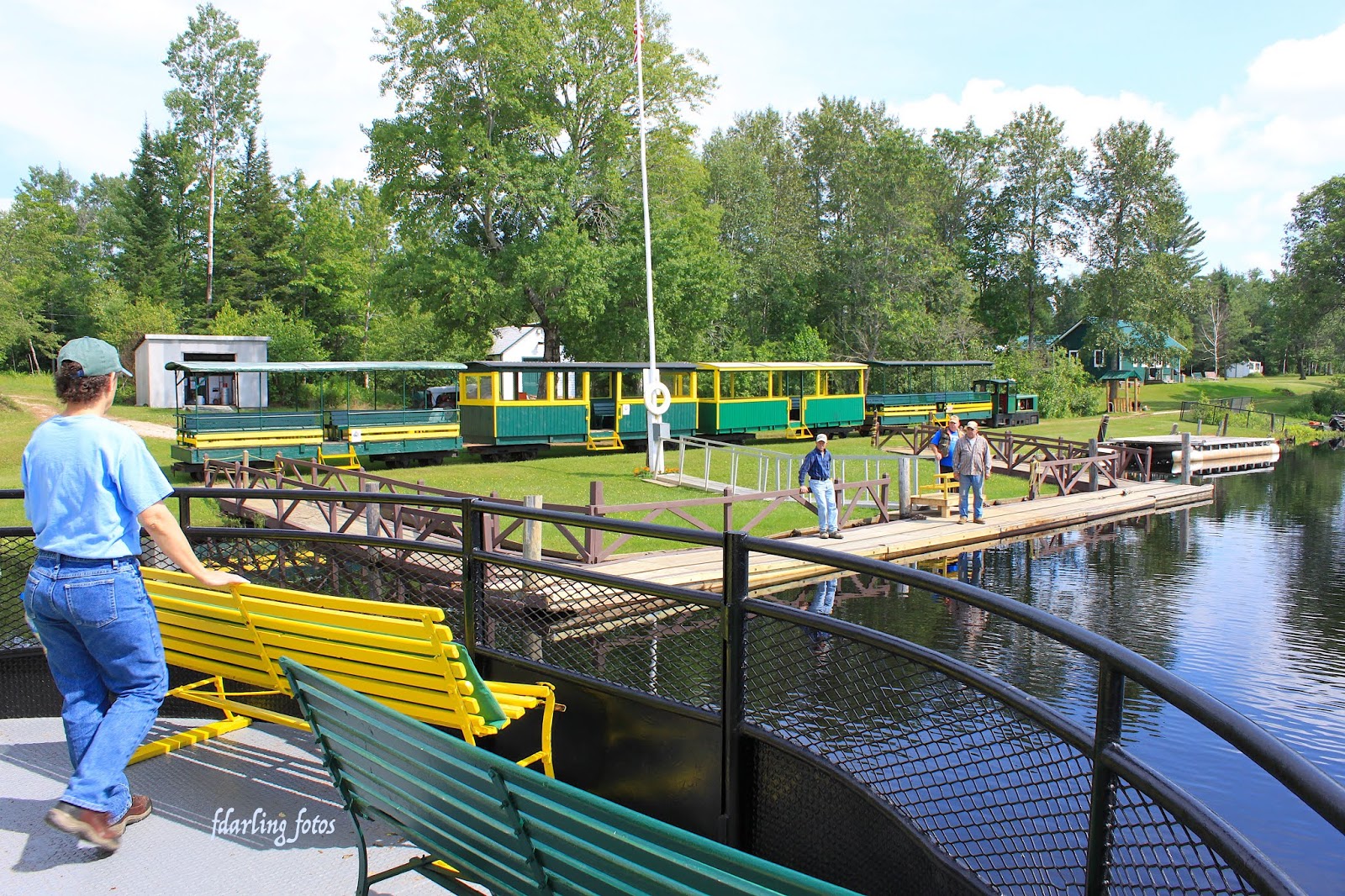
Use "The Bank" Method for Kids' Spending
You can write down a dollar limit on a piece of paper and put it with the money into an envelope called “The Bank.” Every purchase is paid by and subtracted by the child from the envelope total.  Have the child write the item down on the paper. 
  When the bank is empty, there are no further purchases so remind the child to consider value, balance, and opportunity cost. Don’t be surprised if you hear a child’s self- debate “If I buy this, I can’t buy that. This costs too much. I don’t have that much left.” With this experience, a child may be able to understand a travel budget.
   After the trip ask for an assessment of where money should be spent in the future – on lodging, eating out, activities, and why. While the answers may not be your preferences, the selection process is a route to expressing reasoned opinions.
Contrariness
  Whining, pouting and other contrariness are inevitable so plan for it. Quietly wait it out, eat a snack, read a book, or find a park with a playground or nature area. Inserting these activities into your schedule may reduce problems. Calmly verbalizing when you become irritable can help a child learn how to handle their own behaviors. Watch for cues. Everyone needs a time out occasionally, some protein, and exercise. Maybe you are doing too much.
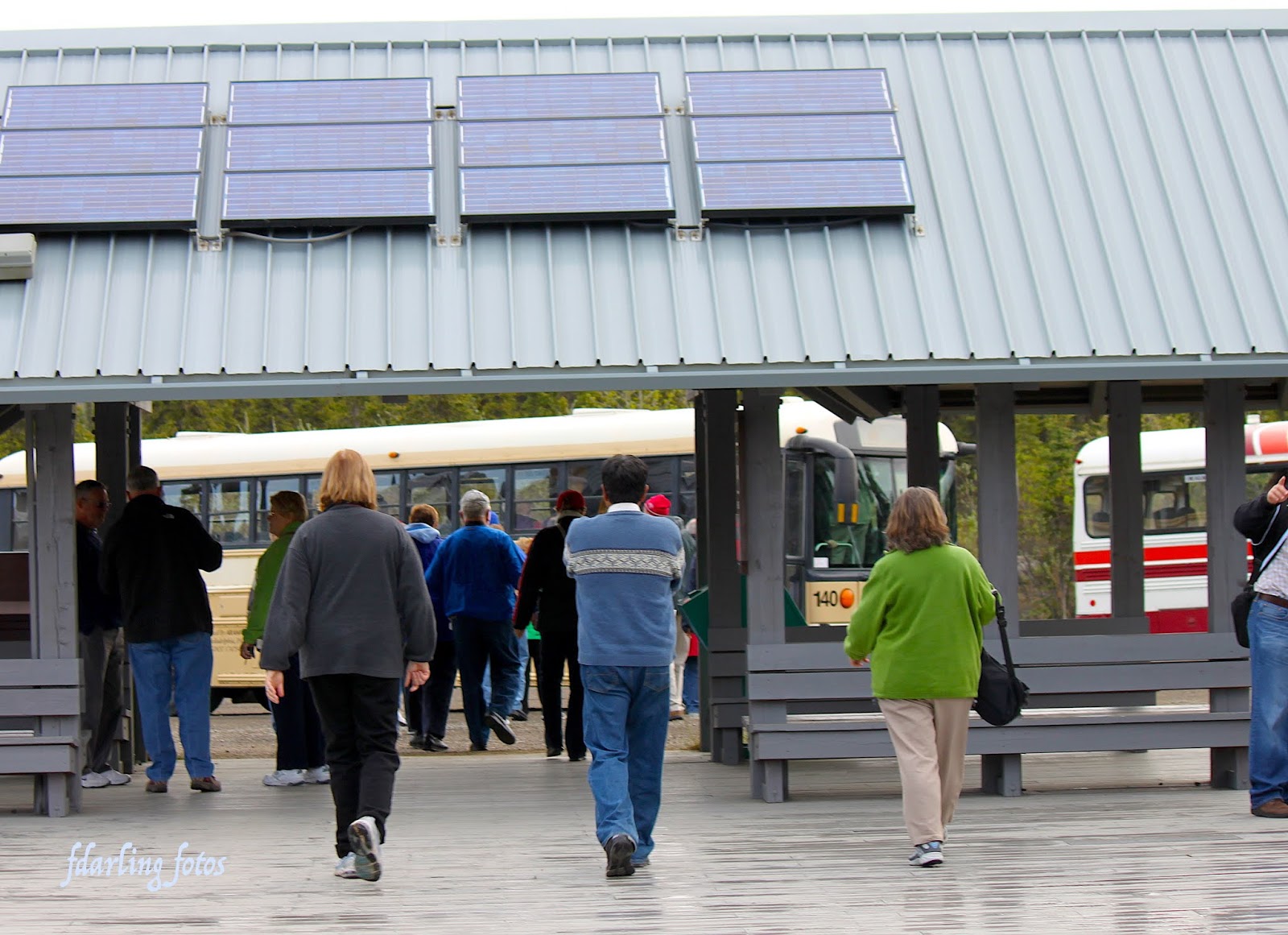
Plan & Check Your Documents
 Plan ahead. Collect needed documents for the trip. Written parental permissions, insurance cards and birth certificates may suffice. If you travel internationally, visit the country’s embassy and immigration websites for rules on traveling with minors. In addition to passports, it may require original documents, immunization, notarized letters and marriage certificate when the child’s surname does not match yours. 
After the trip while making a memory book, evaluate what worked and whether you met your goals. For more see grandparentsteachtoo.blogspot.com and wnmufm.org/Learning Through the Seasons.
Photos: Fran Darling fdarling fotos

Saturday, March 30, 2019

Solo Travel with Grandkids

Where Are You Going?
Sandi Poindexter, grandparent and worldwide traveler has some suggestions for traveling solo with a grandchild in this two  part series. Understanding your motivations and asking some basic questions at the front-end helps increase trip rewards and make it enriching and enjoyable, according to Poindexter.
  Why are you going? Objectives range from helping parents and building memories to exposing a child to new environments and having fun while educating on the go. Will you take one grandchild, siblings of different ages or cousins of similar ages? Where will you go? Best choices include: somewhere you and your grandchildren want to go, you’ve been there before, you think your grandchild would like to visit, and you can afford to travel there.
Planning
 What will you do? Research activities to create a list of options within your budget and common interests. 
Research and Plan Your Trip Activities
Ask your grandchildren and their parents to narrow it down after discussion and looking at websites or travel materials.  Besides amusement centers, many museums and parks offer interactive learning with costumes, scavenger hunts and educational play areas. This selection process involves critical thinking, self-awareness and consideration for the grandparent. 
 Is it a trip goal to explore diversity? One advantage of metro areas is sampling foods from a variety of cultures at one time whereas visiting a region allows more in-depth discussion on a specific culture and life-style. If understanding travel options is a goal, try varying types of lodging within the trip – hostels, bed and breakfasts, and high-rise hotels in a city center, suburban chain hotel, rented cottage or vacation home.
New  Travel
  Is it possible to travel in a new way? Even a young child can 
Travel in a New Way - Why Not??
compare trains, planes and cars: trains are better because you can walk around and the windows are bigger,” “Planes get you there faster,” “You can stop when you want in a car.” 
 Long trips often produce the “When are we going to get there?” question. In an airport, give a child a copy of the flight information and show them how to navigate from check-in to the gate. In a car, it helps if a child knows where you are going and can track your progress on a map. Before you leave, point out the starting point, routes and end points. Map reading, whether paper or digital form, requires spatial reasoning. Explain the map annotations for roads and exits and compare them to the roadway signs . There are several ways to apply math skills on a driving trip --compute gas mileage, estimate time based on distance and speed. Ask, what does 60 mph mean? If we have 120 miles to go, how long will it take to get there? What if we stop for gas? 

For more see grandparentsteachtoo.blogspot.com and wnmufm.org/Learning Through the Seasons.
Photos: Fran Darling, fdarling fotos 


Tuesday, June 27, 2017

Giving Children a Sense of Geography

Get a Glimpse of the Big Picture
   “Where do I live? Can you show me?”  
Map activities give young children a glimpse into the big picture of the world and where they live. It introduces maps and how to use them to find areas we find interesting or want to visit. 
You’ll need Google Maps Apps or paper maps from the local Chamber of Commerce or tourist center.
   Using maps of your local area locate children’s streets and some familiar sites like the library, grocery stores, parks, and museums. 
   Explain to children that that they live on this street, in their city. The next time they travel by car or walk to the park, show them their address number on their house, follow the map and route. You can program Google Maps to help you walk the route. Just follow the dots.  You can also compare the paper map with the Google Maps App. 
Google Maps or Any Maps Show WHERE
Another day bring out the state map or App and show children their area on that map. Using the state map, look for some sites they may have visited like lakes, rivers, and homes of relatives.  Children can help follow the paper map or App travel route on the next trip. They’ll have fun listening to the phone voice giving directions.
  Families can practice memorizing their street address, city, and state and talk about using Google Maps and finding different views.  The bird’s eye view is really fun for kids.  They can zoom in closer and closer on
 the App until they can see their roof top and even cars in the driveway.
   What does their favorite park look like from high above the trees? How does Google make these maps? Ask Google or You Tube the question.  There are great map explanations on line.
  Using a US map or Google Earth App point out a few places children may be curious about like Disney World, Washington D.C., mountain areas, rivers, and Great Lakes.  They can go to these sites and zoom in.
Get a Bird's Eye View
  Libraries have globes to show children that the earth is not flat like a map. Cheap blow up beach ball globes are also available on-line.
  Show children where Santa lives and the route he must take to their house. The North Pole can help children hold the globe correctly to find and name continents and countries.
  Interesting geography reading books for young children include David Scillian’s books, “P is for Passport: A World Alphabet” and “A is for America: An American Alphabet”; alphabet books for every state and for some countries. 
  The next time you’re playing in the sandbox with the kids  make a map of geographic features like mountains, rivers. islands, and peninsulas. For more see grandparentsteachtoo.blogspot.com and wnmufm.org/Learning Through the Seasons live and pod casts, Facebook, and You Tube.
Photo: Fran Darling, fdarling fotos
Maps: Google