Showing posts with label walks. Show all posts

Tuesday, September 26, 2017

Sorting Helps Science and Math Skills

Walks With Young Children Are FUN!!
Walks with young children are especially fun in fall when the leaves turn brilliant colors and many flowers have interesting seed heads. They can observe birds flying south in giant V’s and other animals frantically burying food for the winter. It’s a great time for children to collect objects, too.
 You can prepare by gathering some small bags, paper plates, glue, newspaper, a marker, and magnifying glass.
Collecting Fun 
   Learning goes better on a full stomach. Right?  You can pack a picnic snack and explain you are taking a walk to look for signs of fall and collect colorful leaves, seeds, and pebbles which stay the same in any season but are fun to collect. Take along an extra bag for paper garbage to clean up the area, too.
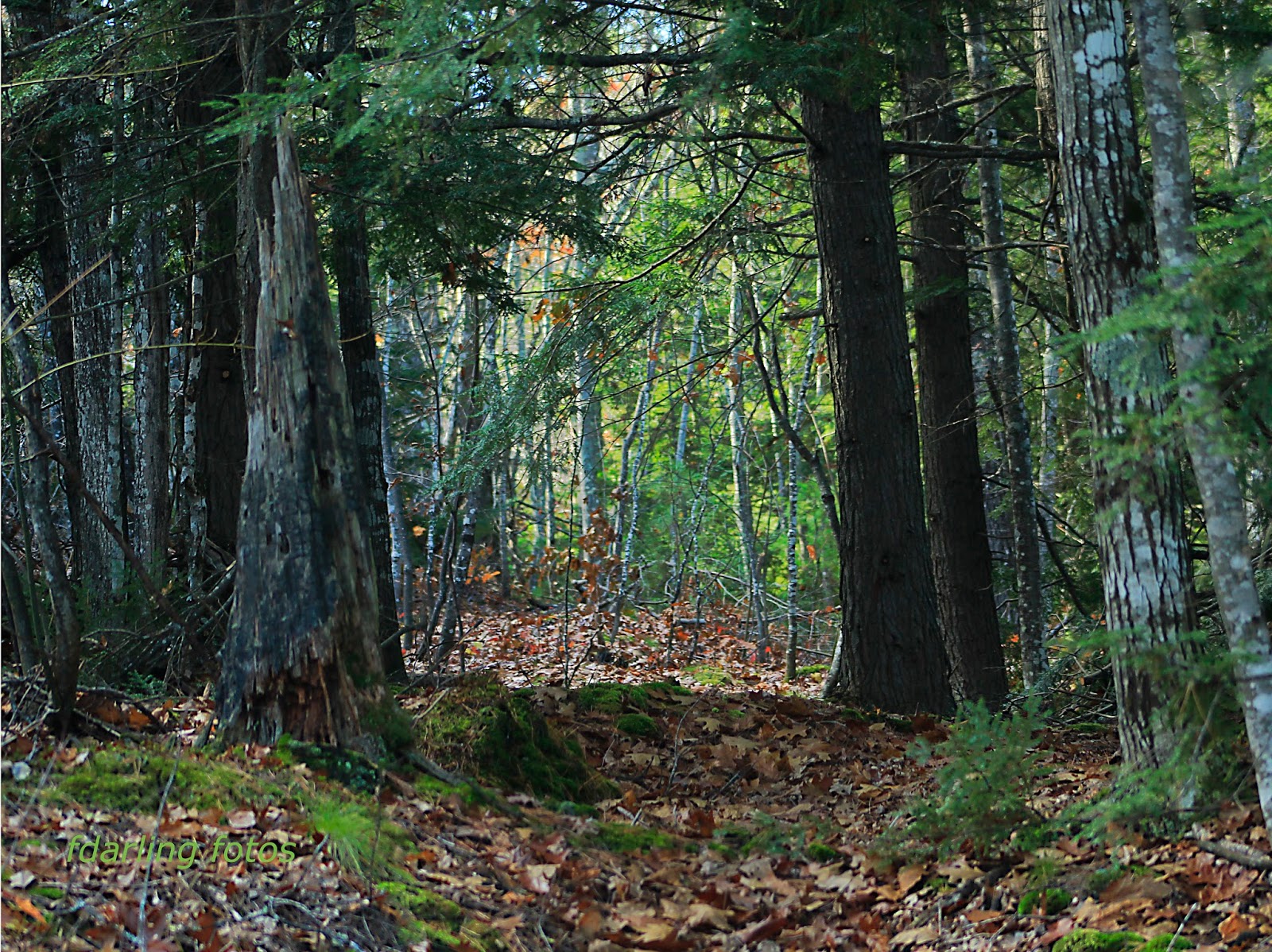
  Fields, bike paths, shorelines, cemeteries, and college campuses have a variety of trees and beautiful surroundings. Encourage children to collect and count many different types, sizes, colors, shapes, and textures. You can include a library book of tree identification to help answer questions about why leaves change colors and fall.
Collect and Count
Sorting Skill
  After collecting and snacking return home to sort out materials on newspapers based on characteristics. Print a title on each paper plate like leaves, seeds, or pebbles.
   Next label more plates with characteristics (attributes). For leaves, you may use five plates labeled red, orange, green, brown, and mixed colors.  Plates for seeds may be acorn, maple, and flower and weed seeds, large, and small. Pebble labels may be large, small, shiny, dull, smooth, rough, sharp, soft (sandstone) hard black, brown, white, speckled.
   Casually help your children decide where the objects belong. Before you take a break, spread leaves in paper toweling and insert them in a large book. (Back to back cookie sheets will also work.) Then place some heavy weights on top to flatten the leaves as they dry.
 When you’re ready for another 
Discuss What You Collect - Similar & Different??

project, take out paper plates, marker, and glue. Children can glue the sorted objects to make designs, a number, category, or their name. Children like to glue leaves, seeds and rocks on plates as a collage, take a photo, and send it to extended family or show during the next FaceTime.

 Discuss different attributes of objects as children glue them on the plates. Young children will develop small hand muscles and learn to use small dabs of glue.  It is very tempting to take a glue bottle and squeeze it neatly for children or place an object just so.  Instead give tips on how to hold the bottle and leave the rock where it is. The end product is not really important. It’s the process. For more family fun see grandparentsteachtoo.blogspot.com and wnmufm.org/Learning Through the Seasons podcasts and live.
Photos: Fran Darling, fdarling fotos

Wednesday, February 3, 2016

Taking Winter Science Walks


Take Walks on Trails or at Home
When a warmer sunny winter day comes around, grab it, for there is fun and learning outside.
  Children also need vitamin D provided by sunshine, milk, and some juices. Vitamin D works with calcium to develop strong healthy bones. Families can plan on a twenty-minute time of exploring outside on sunny days. Remember to have children wear sunglasses in the bright snow, too.
   Talk while dressing for the outdoors.
Talk and Explore
Point out right and left boots.  Mark the right boot with an X or R. As you help with snow pants, jackets, boots, and mittens use “right” repeatedly. “Let’s put on your right boot.” Raise your right arm.”  “Give me your right leg.” You might sing a little “Hokey Pokey” about the right side only.
Keep it Simple  If children are not accustomed to being outside, an adventure might be very simple.  Young children can take a walk to the mailbox and follow a path you have made while they hold your hand.  They can drag a stick in the snow like the character in “The Snowy Day” by Jack Ezra.
  Young children can help shovel a bit of the porch or a little part of the sidewalk.  They can collect snow and watch it melt inside later. If they bring a pan of snow inside and place the loose snow in top of water will it sink or float before it melts? It is less dense with more air between molecules no matter how hard the snow is packed. Therefore, it will float.
 They can collect snowflakes on cold black paper to count the points on the crystals.
Be Science Detectives

Be Science Detectives
Once outside children explore and solve mysteries for a short time.  Take a short walk around the yard and look for animals and tracks. What made these tracks? What direction were the animals going? What were they looking for?  Where do rabbits, mice, and squirrels go when it is cold? Common small animals like ants, earthworms, bees, and butterflies are not around.  Where are they?
   If the snow packs, young children can make a small snowman family since big balls are too heavy. They may also like to stack ice chunks and make a small fort or dig into a small snow bank. 
Look for the Unusual
Look for plant skeletons that might be sticking up through the snow. Children can make a small bouquet to take inside.  Think small and a take few minutes for any activity as attention span is usually short and preschool children chill easily.  Their boots may get full of snow. Snow will get under their cuffs and even the best mittens don’t work well on very small hands.  Sometimes just a sled ride is possible. 
Photos: Fran Darling, fdarling fotos
More Ideas and Activities....See the authors’ book “Learning Through the Seasons” at area bookstores and grandparentsteachtoo.org. For more help to prepare young children for success in school see the authors’ web site: www.grandparentsteachtoo.org. Also check our audio Podcasts WNMU Radio, 90; Youtube video activities; and join us on Pinterest

Tuesday, October 6, 2015

Making, Raking, and Painting Leaves

 
Take a Walk to Collect Leaves
Young children’s minds are wondrous creative gifts. We sometimes forget how much they can absorb. Fall is an excellent season for science and art learning fun and they don’t take much time.
  You’ll need coffee filters, paper towels, child safety scissors, watercolors, a dinner plate, and leaves
  Take a short walk and collect some colorful leaves. Explain how leaves are nature’s food factories.  They take water from the ground through their plant roots.
  Introduce a few science terms. Young children learn long dinosaur names and master a DVD controller so why not a little science?
Science Concepts
  Leaves take a gas called carbon dioxide from the air (that we exhale) and use sunlight and water to turn this gas into glucose (sugar) for the plant and oxygen for us to breathe. A green chemical called chlorophyll helps make it all happen and covers up other beautiful leaf colors.  Plants use the sugar as a food for energy. This is photosynthesis meaning putting together with light.
  In fall the tree gets ready to rest for the winter and live off the sugar. There is less sunshine and no need for chlorophyll so the tree shuts off water to the leaves with  little walls and we get to see all the colors that were hidden by the green as leaves die and fall to the ground. Children can act this out.
Watercolor Fun
  Help your children identify all of the leaf colors before placing leaves in a heavy book to press.
Identify Colors Along the Way
Then take out a few absorbent coffee filters, watercolors, and a plate of rinsing water. Teach the kids to rinse off their bush to keep it clean.
  To make maple leaves, children can spread fingers and trace their hand on a filter. For oak leaves trace their foot or palm with fingers snug together.
  After checking that your children are grasping the scissors correctly, help them hold and cut out the filter leaves. If they cut out jagged leaves, no problem.  They are doing the best they can right now.
  On a paper towel make a few water colors they observed on real leaves like red, yellow, purple (red and blue) orange (red and yellow) brown (orange plus a little blue or green plus a little red.
  Children can now paint their filter leaves.
Continue to Use Science Words
The watercolors will blend together. Allow the leaves to dry and press in a book or gently iron, if curly. Tape them in a sunny window or glue on a cardboard circle to make a wreath.
 Use the science words at least six times on future walks and discussions together.  Encourage them to explain to someone else how leaves turn colors.

Photos: Fran Darling, fdarling fotos

More Ideas and Activities....See the authors’ book “Learning Through the Seasons” at area bookstores and grandparentsteachtoo.org. For more help to prepare young children for success in school see the authors’ web site: www.grandparentsteachtoo.org. Also check our audio Podcasts WNMU Radio, 90; Youtube video activities; and join us on Pinterest